

Timing is Everything
There's so much focus on WHAT we eat, it's time we take a look at WHEN. Plus: 1536 on the West End, Imarhan, and Shaniqwa Jarvis' new book, GUTS
Morning everyone. I was on a panel with breathwork practitioner Rob Rea last week, chatting with journalist and former Vogue editor Hannah Coates about how to work with your circadian rhythm for better health. Thanks to everyone that joined us and for asking really good questions. To the radiant doctor who was wondering what to do about being a mega night owl - if you’re reading this, get in touch.
I actually don’t think circadian rhythm gets enough airtime, considering it influences almost every aspect of our health. We’ve kind of built our lifestyles around overriding the body clock - macchiato at 4pm, group dinners starting at 930, replying to emails in bed with your face six inches from a screen at 11pm... what are we doing here? Yes we should think about protein, supplements, strength training but what if we zoomed all the way out and went back to the fundamentals?
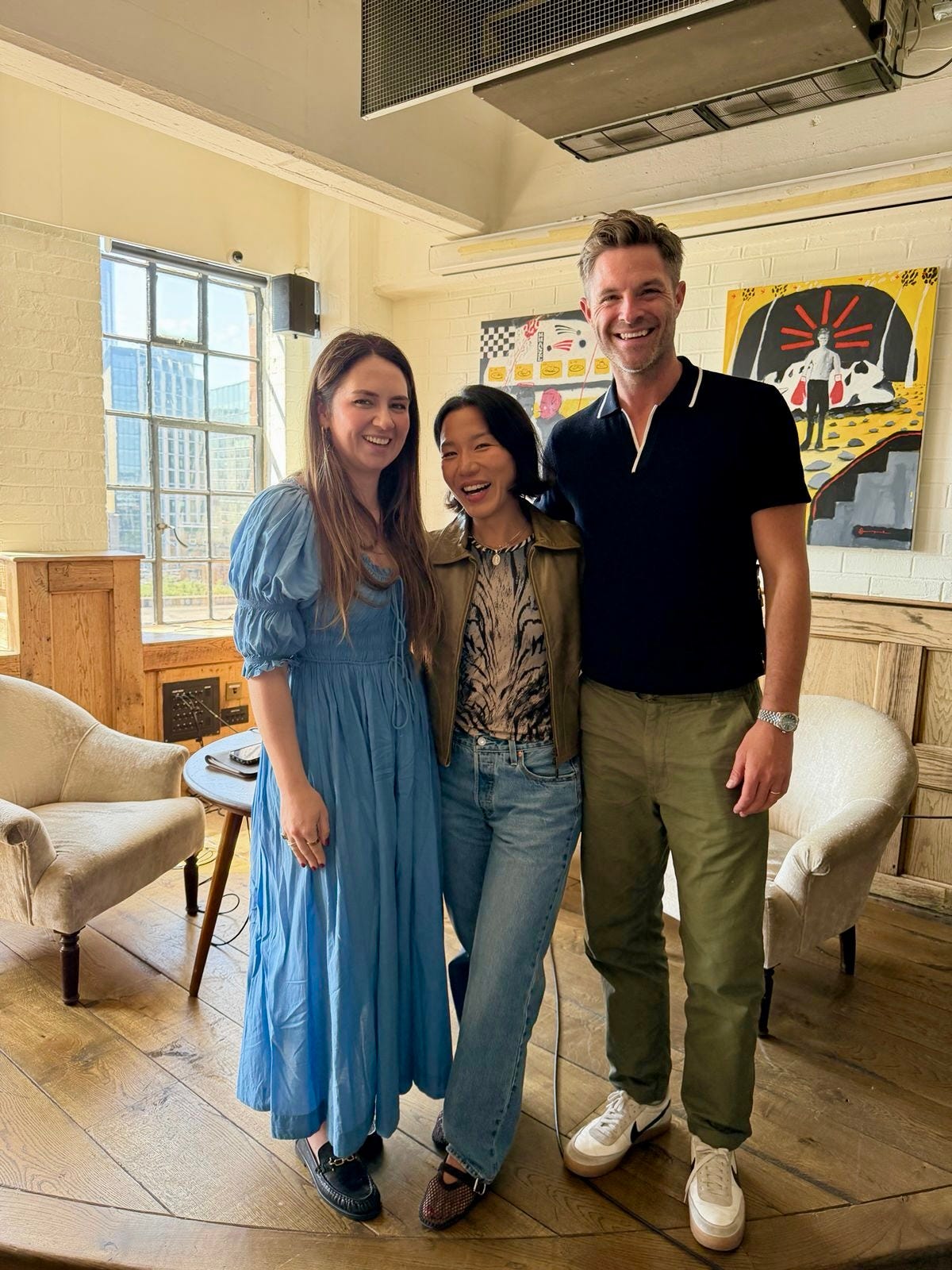
I’m going to take today’s newsletter to recap a few things we discussed during the talk. It was an hour of chatting so I won’t be able to include everything but know that we covered:
The topic of Chronotypes - what to do as a morning lark vs a night owl
What happens if our circadian rhythm isn’t synced and how to track it
What are we doing about high cortisol?
Is there an ideal eating window?
What nutrients support our body clock?
What’s the deal with late night eating?
And what about our vagus nerve?
An impassioned chat about morning coffee
… and actually quite a few more topics but I’m not going to take up any more of your time with bullet points.
Pop your metaphorical shoes on, we’re going on a morning walk.
What is the Circadian Rhythm?
(It was only a matter of time before Janet Jackson showed up in Full Serving, and what better time than when exploring the concept of rhythm…)
The circadian rhythm is a roughly 24hr biological clock governed by a cluster of neurons called the suprachiasmatic nucleus, or SCN, in the hypothalamus. It acts as the body’s master clock, helping coordinate when different systems become more active across the day in response to environmental cues.
First off - light. It’s the reason why so many docs on podcasts are always telling us to get sunlight in your eyeballs first thing in the morning. It helps signal to the SCN that it’s morning and supports downstream processes linked to alertness, digestion, hormone regulation and melatonin production later in the day.
(I can never remember how to say suprachiasmatic nucleus and if Hannah had asked me to on Friday, i would have had to sing it like I usually do to remember - to the tune of Supercalifragilisticexpialidocious. A helpful tip for those of you that care to remember.)
So light is one signal, a very powerful one. But there’s another major signal your body responds to, and this is the one I’m going to focus on today: food timing.
I actually love this topic because we spend so much time thinking about the what and completely skipping over the when. A lot of wellness advice starts in the middle of the story - “life changing” supplements, cold plunges, obsessing over HRV scores - meanwhile we’ve forgotten about the impact of sunlight, routine and timing.
Think about it like this. Our bodies can respond differently to the same meal depending on what time of day we eat it. You could eat the exact same thing at 9.15am and again at 10pm and your body would likely handle it differently. Eating later at night is associated with poorer glucose control and less efficient metabolic responses compared to eating earlier in the day, partly because many of these processes follow predictable patterns across the day.
Isn’t that fascinating? Predictability is the key. Timing really is everything.
What would happen if we applied a rhythmic approach to health - taking a break from all the latest wellness trends for just a moment - and leaned into something simpler, fundamental and easier to track?
Your Body’s Best Hours
Your circadian rhythm doesn’t just control when you sleep. It governs how your whole digestive system works throughout the day. For example, your digestive enzymes - the proteins that break down food so your body can absorb it - peak in the morning and afternoon, and decline at night.
Your insulin sensitivity (how efficiently your body processes glucose) is higher in the morning than the evening. And your glucose transporters (the proteins that move glucose into your cells) are also more active during the day. They’re all controlled by the same clock. So when you time your eating to align with these peak hours, you’re working with your biology and making things easier for yourself in the long run.
But - your body’s peak hours might not match everyone else’s. Yep, Im talking about the concept of Chronotypes.
Some of us are morning people, some are night owls, and most of us are in between. This means that our day to day choices can really influence which way we swing. For years, being a night owl was framed as aspirational. Kind of went hand in hand with being glamorous and ambitious. Sleep when you’re dead kind of thing. The call is coming from inside the house - I’m saying this as someone who used to really believe this until I took a big hard look at what actually worked for me.
Chronotypes can also change with age. Think about how teenagers are versus seniors. Most of us aren’t stuck in one box. We can adapt. And if you’re someone that’s waking up tired every morning, clutching an iced coffee while trying to depuff in time for your back to back meetings, then here’s what I’d suggest you try for a week. You’re going to notice a difference.
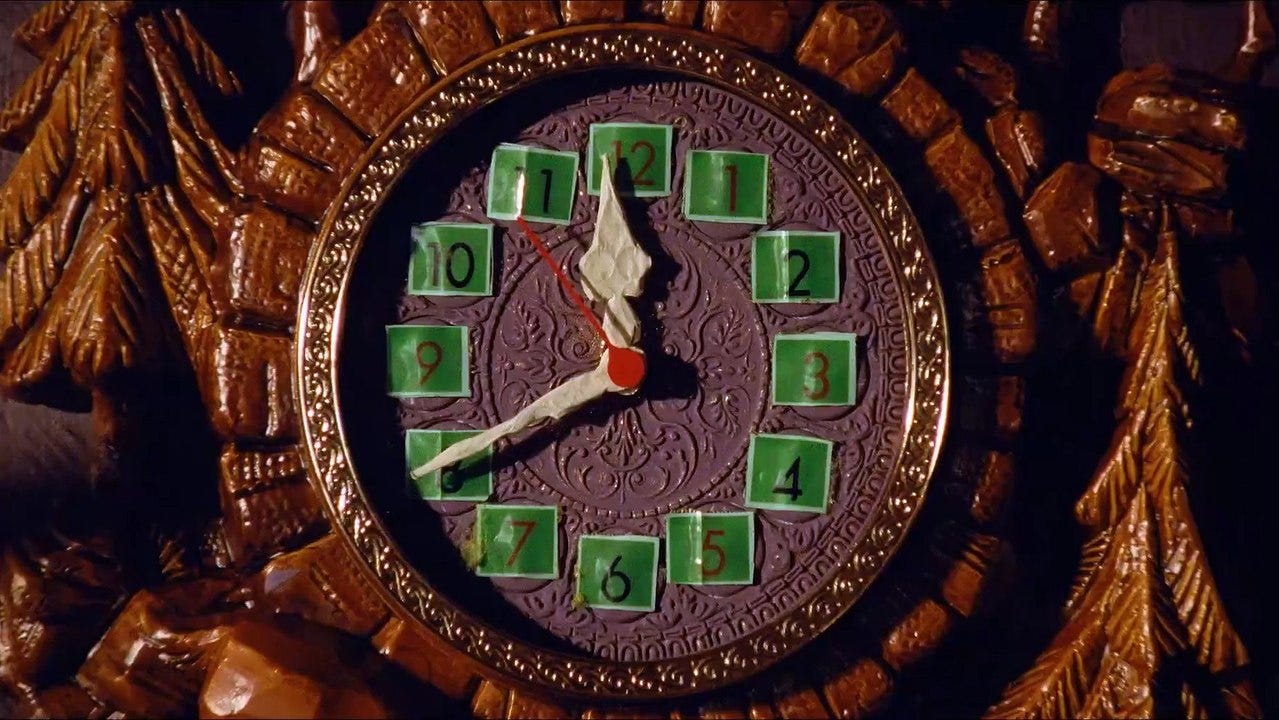
For many people, a roughly 12hr eating window is a realistic place to start. There’s a much bigger conversation to be had around intermittent fasting, but in general I prefer approaches that feel sustainable, realistic and supportive for most people.
Say you wake up at 7am and you eat your breakfast at 8am. As long as you finish your last bite of dinner by 8pm, you’ve hit the 12hr window. Quite reasonable right? Pretty doable.
Even better, size up your meals based on when your body’s most primed to digest. For a lot of us, it may help to place your intake earlier in the day when digestive and metabolic function tends to be more active. Then your evening meal should be lighter, finished by 7 or 8pm so your system can wind down before sleep.
So after your final bite at 8pm, that’s kind of where we wrap up for the day. It’s not about being virtuous - your body benefits from a period without food overnight to support processes linked to sleep quality and metabolic health. Food is also stimulating - it keeps your metabolism active and your nervous system engaged when you should be down-regulating. It warms you up when you want to be cooling down for sleep. It can also play a role in delaying melatonin release.
Now you may be saying: but I don’t finish work until 730, I can’t get home until 9pm and then I still need to cook dinner. Or maybe I’m meeting a friend for wine and some nibbles. I get it. We’re talking about an ideal scenario here. The point is less about perfection and more about giving your body some structure to work with. Shift the timing depending on what’s realistic for you and try it for a week. Have your dinner ready in the fridge ready to go. It might be a little less glam for these seven days but it’s worth a try.
Aside from all the physiological processes affected with late night eating, there’s also the question of why we’re doing it in the first place. If you’re still hungry after dinner, it could simply be that your meals earlier in the day weren’t substantial enough. We don’t want to go to bed hungry, so take a look at increasing your protein and fibre in your meals. So many of us unintentionally under-eat earlier in the day and this leads to needing extra snacks after dinner and feeling guilty about it.
This might warrant a whole other newsletter dedicated to what late night eating does to the body - and how it’s often related more to habit than need - let me know if you want me to write this for you.
What if you don’t work a 9-to-5?
Then there’s the reality of shift workers, hospitality staff, anyone working nights or irregular hours: perfect circadian alignment just might not be possible with your schedule. I’ve got you. We’re going to shift from thinking about that perfect 12hr window to looking at what you’re working with.
Let’s start with picking one variable and making it non-negotiable.

If your sleep times vary wildly because of shift work, anchor your meal times. Eat breakfsat at the same time relative to when you wake, every day. If meal timing is impossible to control, anchor your morning light exposure. Get bright light into your eyes within 30 minutes of waking, no matter what time that is. If both meal timing and morning light are variable, anchor your sleep time. Go to bed at the same time, even if you wake at different times.
The recovery piece is important too. After an unpredictable schedule block - a week of night shifts, a work travel stint, whatever - return to more consistent timing as soon as you can. Even a few days of more consistent routines can help the body readjust. Your body is forgiving if you give it structure back.
Also, I dont expect you to be perfect. Sometimes you just want to have a rager and as long as you’re not really struggling with sleep and digestion issues, it’s generally fine to go off piste sometimes so long as you return back to it shortly after.
There’s a concept called “social jetlag” that I know many of you may have experienced over Bank Holiday weekend. It’s literally the same thing as actual jetlag, except you haven’t travelled anywhere. When you fly to New York, your body’s clock is still on London time - that’s why you feel groggy and your digestion gets iffy. Social jetlag is the same mechanism. You shift your schedule for a few days - later nights, different meal times, sleeping in - and your circadian rhythm gets confused. Your body thinks it’s travelled somewhere, even though you’re still at home.
Give yourself a few days of returning to your normal rhythm and your body will sync back up. You’re not starting from zero. Just remind your body that you want to be in sync with the sun and let it do its thing.
The point of all this
Working with the circadian rhythm changes so much for us. Energy. Sleep quality. Digestion. Blood sugar. Mood. Paying attention to our circadian clock can fundamentally change how you feel.
Plus, I like that this kind of health support is available to almost everyone. It’s not about an elaborate protocol or expensive gadget. You can start by simply noticing the time you eat and aiming for a little more consistency. So if wellness has ever felt complicated or inaccessible, maybe this is a good place to begin.
What’s fed me
It’s not just food. Everything you take in shapes how you think and feel. Here’s what I’ve been up to that’s nourished my creative brain:

1536 at the Ambassadors Theatre. My friend Siobhan invited me to the opening night of the West End run of 1536 - the debut play by Ava Pickett that showed at The Almeida last year, set in the lead up to the execution of Anne Boleyn. The script is sharp, pacey, menacing, so funny. The performances - outstanding. When the play ended I realised I was out of breath.
I wouldn’t bother to read too much about it, just get tickets if you can and go. A reaaaally great one to go to with your best gal pal.
Imarhan - Essam (Live from Aboogi Studio). I was absent mindedly listening to NTS Radio the other day and landed on this Studio Session with Imarhan, an Algerian Tuareg group. Ears pricked UP. After watching the session, I went into a rabbit hole and found this performance of their latest album Essam. I’m learning this music is called Assouf, the desert blues.
I was just looking for something to listen to but ended up with eyes glued to the screen for the full twenty minutes. I’m thinking about seeing them on tour - maybe the show in Marseille. Who’s in?
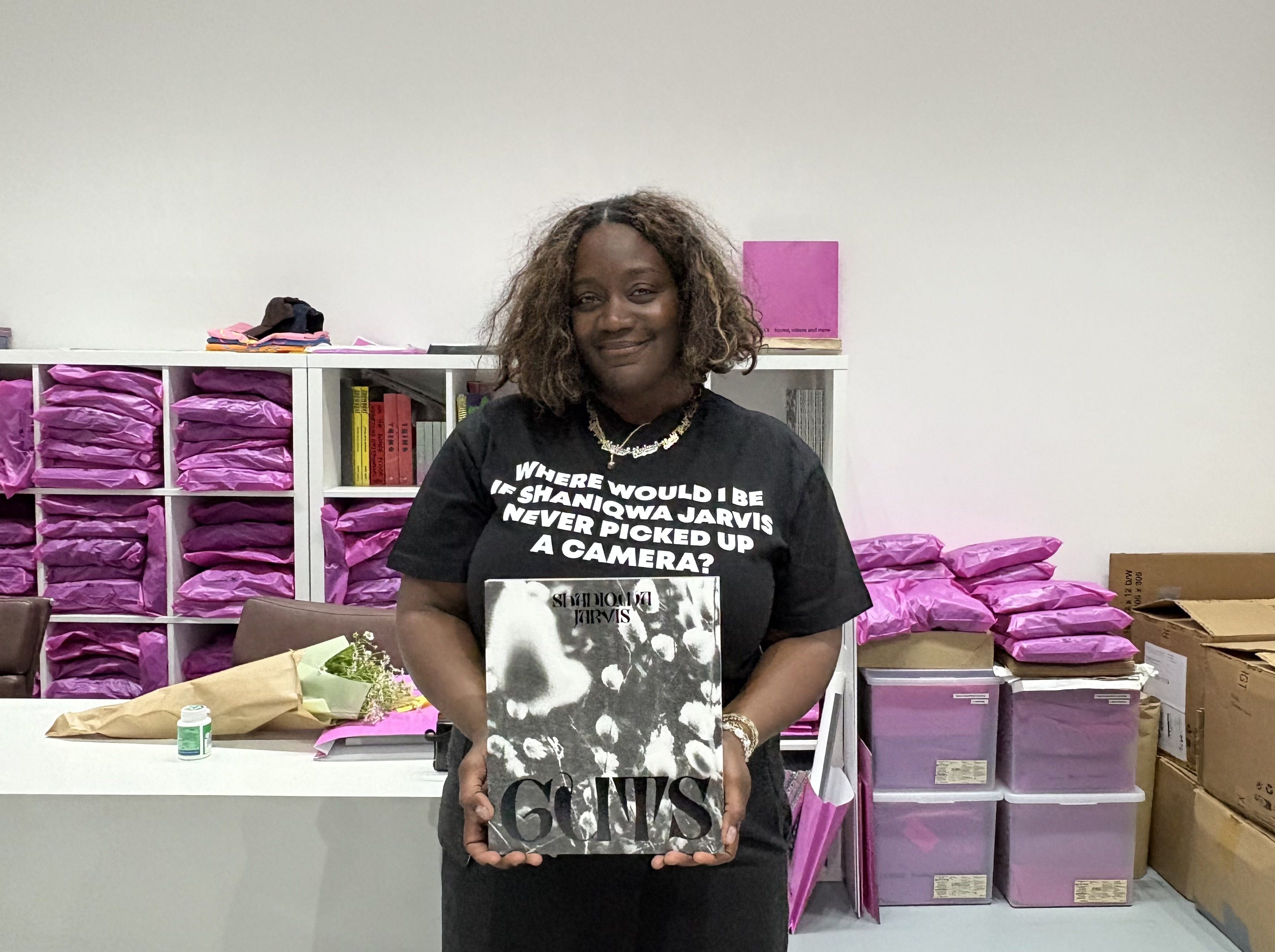
Shaniqwa Jarvis’ book launch at Climax Books. I popped over to Climax Books last night to celebrate the launch of GUTS, my friend Shaniqwa’s brilliant new photobook. It’s very special. If you’re in LA, you can pick up a copy at the LAABF and Arcana where she’ll be doing book signings in the coming days.
But if like me, you’re in London, go check out her solo exhibition Only Love Will Break Your Heart at Public Gallery. It’s on until the 7th June.
If you like Imarhan, you should really check out Ali Farka Toure’s album, Talking Timbuktu which he did with Ry Cooder. 30 years old now, but still mind blowing
Do you think our bodies like predictable meals as well as meal times and sleep/ waking times?
I often find myself reaching for yogurt, fruit & seeds/ nuts if I’m tired, ill or been eating less healthily and my body almost breaths a sigh of relief like “ahhh, I know what to do with this!”
Thank you for sharing your knowledge and holistic approach. X